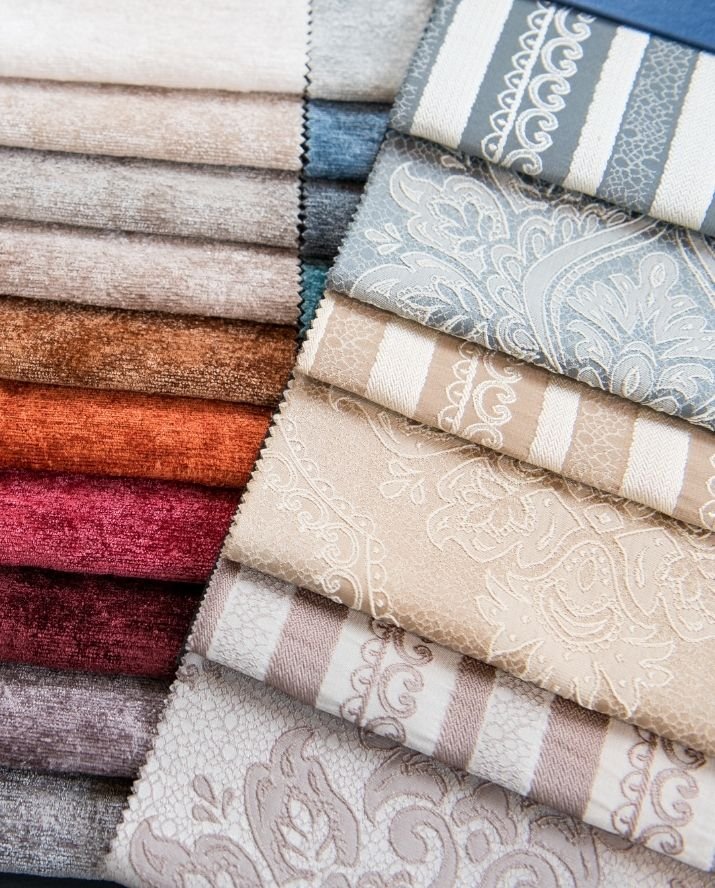
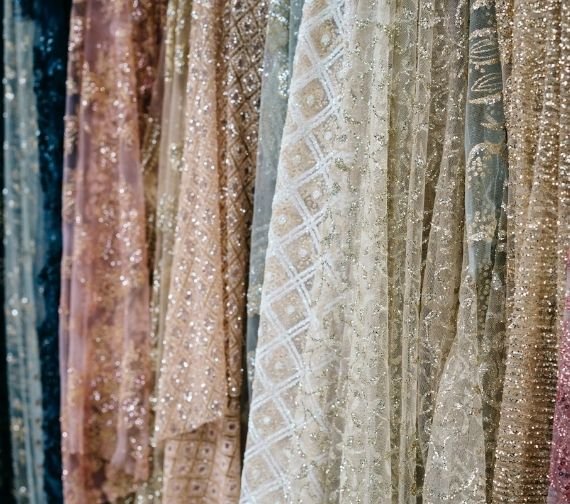
In high‑density embroidery — think dense fill stitches, heavy embellishments, or layered designs — the choice of substrate fabric is crucial. The right base cloth ensures stitches lie flat, details remain crisp, and the final product retains durability and aesthetic appeal. Below, we explore the best fabric substrates for such embroidery, along with their strengths, limitations, and ideal use cases.
Why Fabric Substrate Matters in High‑Density Embroidery
When embroidery is dense (many stitches per area, heavy fill, or layered threads), an unstable or overly lightweight base fabric can:
Therefore, selecting a fabric with adequate weave density, structural stability, and suitable surface texture is key to quality results
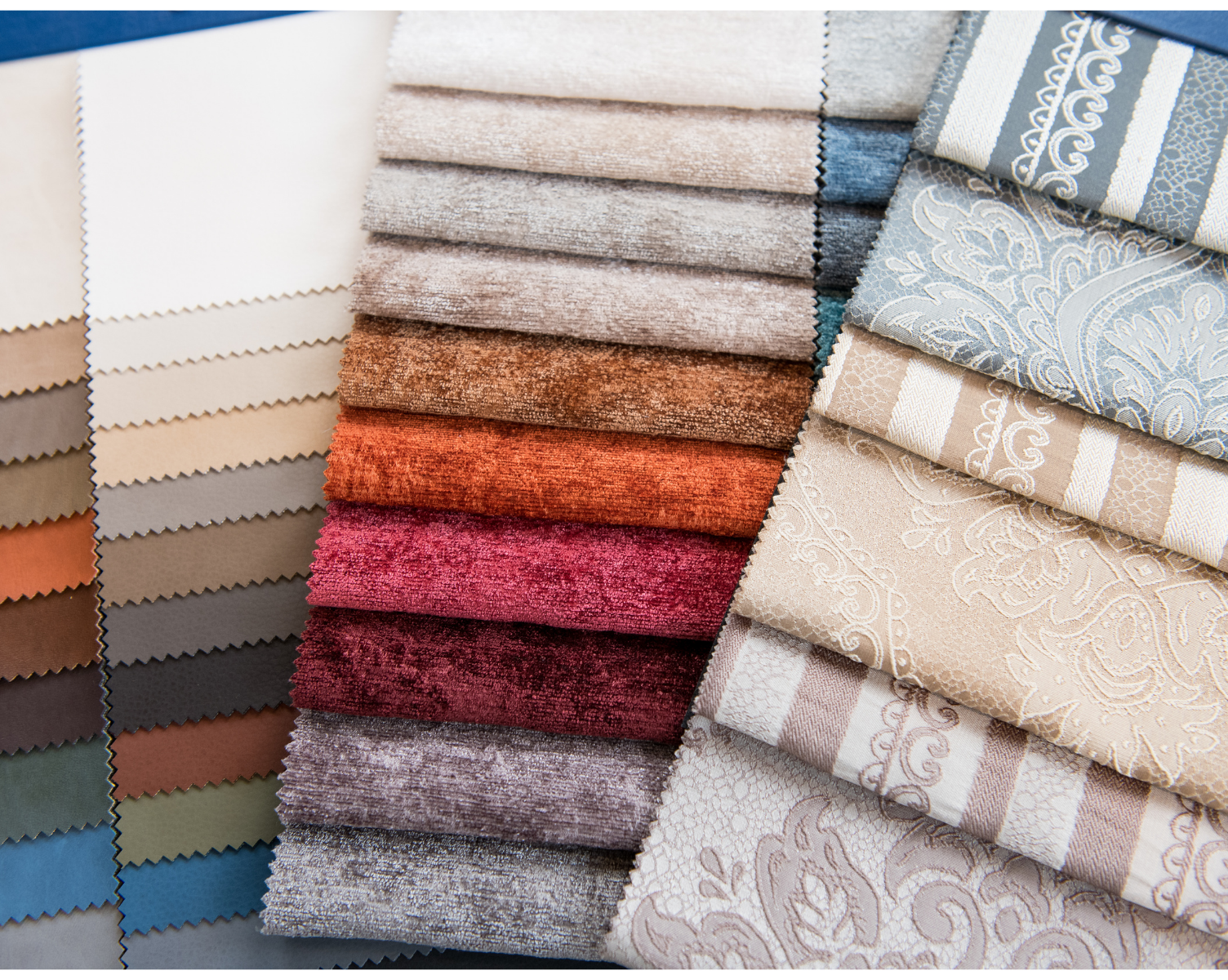
Top Recommended Fabric Substrates
Organza — Structured, Crisp and Ideal for Detail
Organza is a sheer fabric with a tight, crisp weave, often produced from high‑twist filament yarns. Its structure gives it firmness and maintains its shape even after embroidery. MaggieFrames+2EmbroideryLegacy.com+2
Because of its weave and stability, organza handles dense fill stitches, multi‑layer embroidery, and precision detailing well — making it a preferred substrate when you want embroidery to stand out, maintain definition, and avoid fabric distortion. MaggieFrames+1
Ideal applications: eveningwear overlays, sheer panels with embroidery, bridal wear, décor elements where structure + lightness matter.
Tulle and Mesh Fabrics — Lightweight and Flexible
Tulle and fine mesh fabrics are lightweight and breathable, making them suitable for:
Decorative embroidery
Sheer panels in dresses
Layered or romantic designs
When combined with stabilizers, tulle can accommodate moderate-density embroidery. For very dense designs, testing is recommended to ensure stability.
Medium-Weight and Plain-Weave Fabrics — Stable and Versatile
Cotton, linen, canvas, and other plain-weave fabrics are classic choices for high-density embroidery. Their tight weave and structure:
Support dense fill stitches
Maintain stitch definition
Provide durability for garments, home textiles, and decor
Practical Guidelines for Fabric Selection
Proin molestie erat ut nisi pretium at suscipit augue ultrices. Vestibulum leo nisi, luctus etmiac bibendum dig nissim velit. Quisque sagittis, tortor sit amet aliquam suscipit, lorem leo faucibus tellus eu accumsan sapien lorem sit amet elit. Etiam nec lorem ex. Nunc libero enim euismod id eros auctor dignissim neque. In vulputate estmi placerat sed suscipit dui scelerisque.
| Use Case | Recommended Fabric |
|---|---|
| Dense, multi-layer embroidery | Organza, heavy plain-weave fabrics |
| Lightweight decorative embroidery | Tulle, mesh, lace with stabilizers |
| Durable, everyday wear | Medium or heavy plain-weave cotton, linen, or canvas |
| Sheer overlay with detailed patterns | Organza, tulle, paired with stabilizer |
Tips:
Use stabilizers to prevent puckering and distortion, especially on thin or sheer fabrics.
For heavy or layered embroidery, avoid placing large areas on delicate fabrics without reinforcement.
Conduct sample tests for unusual fabric and embroidery combinations to ensure quality.
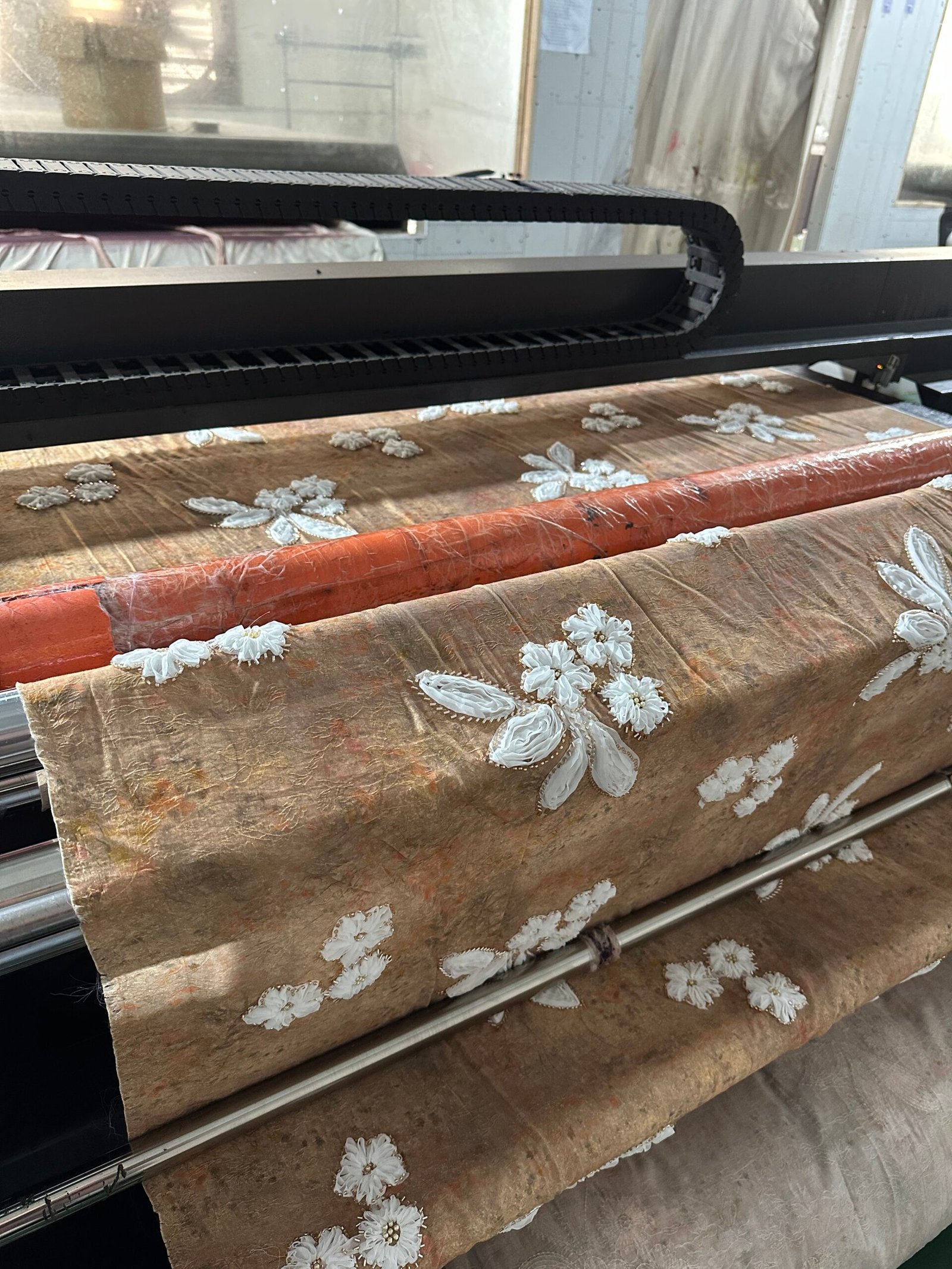
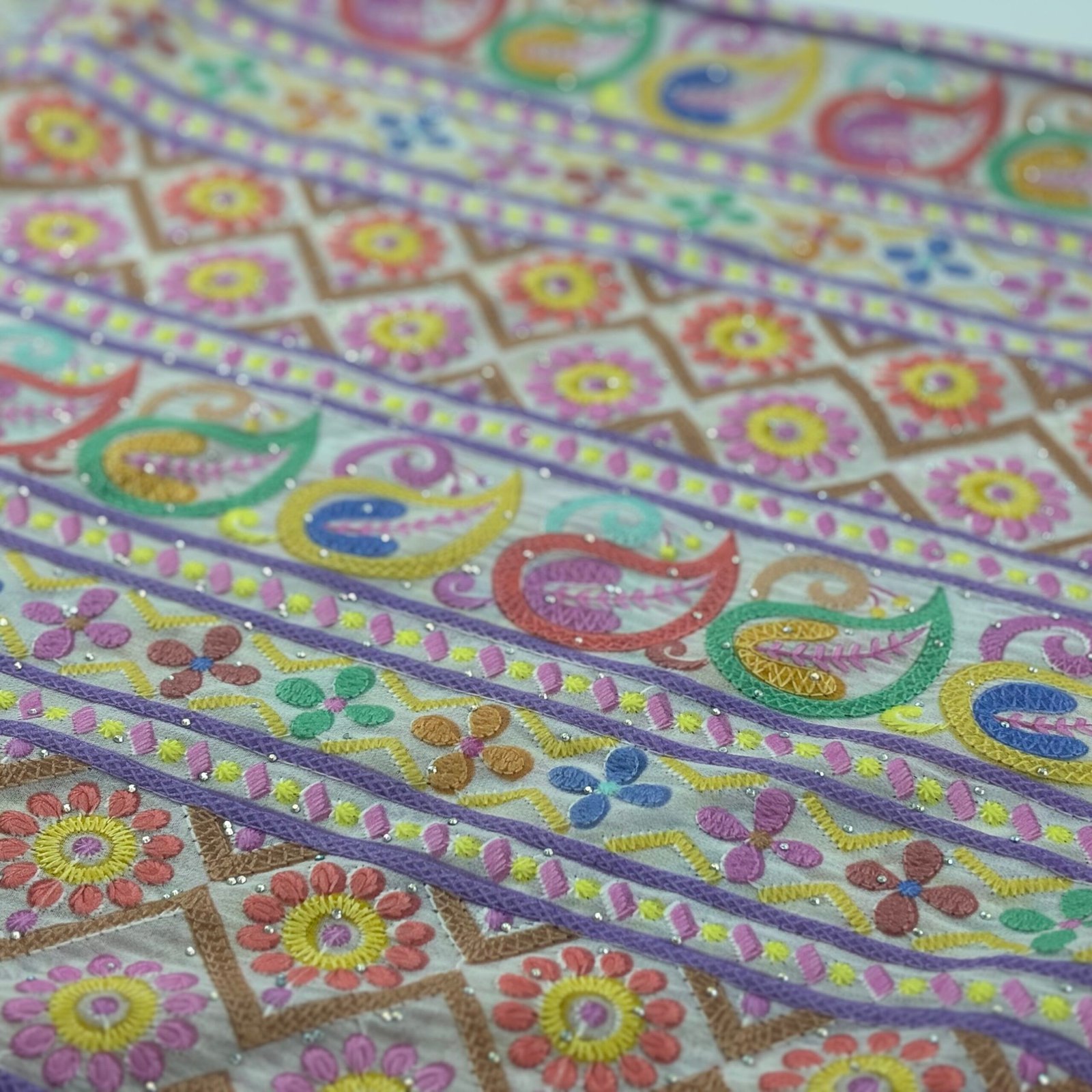
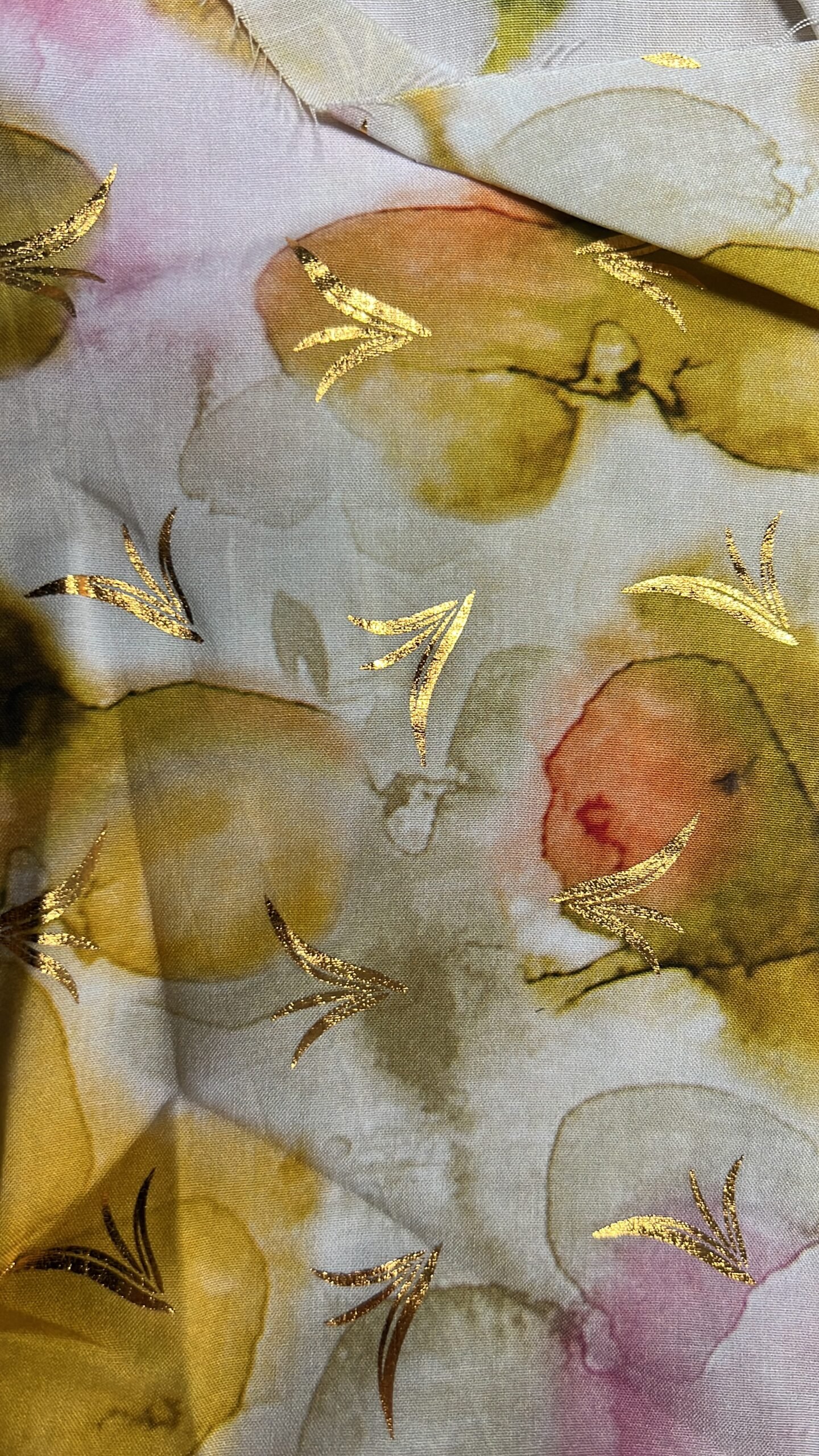
Why These Fabrics Work
The success of high-density embroidery depends on:
Weave tightness and thread count: Tighter weaves hold stitches securely.
Fabric strength: Strong yarns or filaments prevent tearing.
Surface texture: Smooth surfaces allow detailed stitch patterns.
Lightweight fabrics like tulle require stabilizers, while medium to heavy plain-weave fabrics provide inherent support for complex designs.
How Our Factory Supports High-Density Embroidery
Fusce tempus sem id vehicula porttitor. Duis id eros in diam commodo mattis elit. Praesent sed vestibulum mollis nis ullamcorper felis interdum quam vulputate, a pellentesque neque lobortis. Mauris rhoncus massa et dui sagittis, ac accumsan tellus semper. Pellentesque eget mauris eget mauris commodo auctor id a magna. Sed sed enim viverra suscipits.

.png "logo(2048×2048)")